PAL Jaya Transformation: Key to Jakarta’s Water Security
Reported by Fakhrizal Fakhri | Translated by Nugroho Adibrata
The transformation of Perumda PAL Jaya is seen as a strategic move to strengthen Jakarta’s water resilience amid rising demand for clean water, the impact of climate change, and the declining quality and availability of water resources.
The city needs a new paradigm that views water as a resource
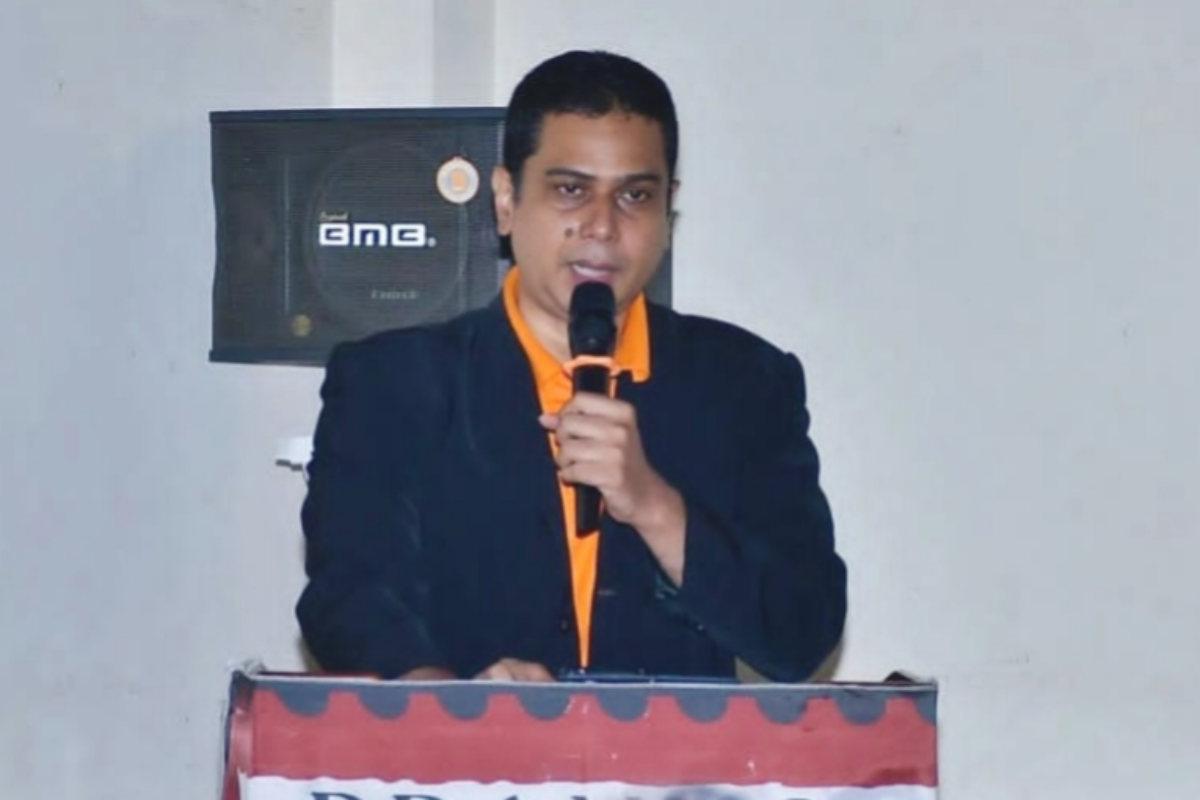
Jakarta Urban Policy Observer, Zulfikar Marikar, stated that providing clean water cannot rely solely on increasing raw water supplies. According to him, Jakarta needs to implement comprehensive water management, ranging from extraction and utilization to treatment and reuse through recycled water.
"Jakarta’s water resilience can't be built simply by increasing clean water supplies. The city needs a new paradigm that views water as a resource that must be managed within a complete, integrated cycle," he expressed, Tuesday (7/28).
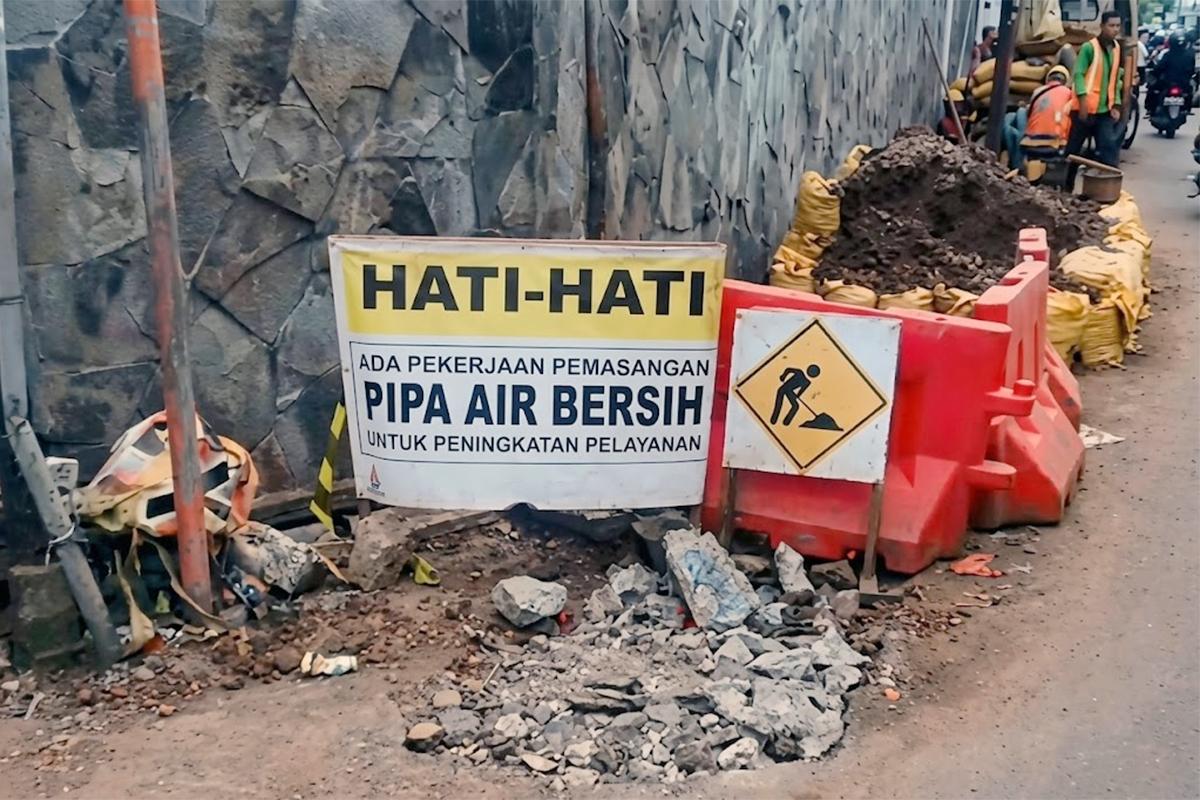
PAM JAYA to Achieve 100 Percent Clean Water CoverageHe also praised the Jakarta government and PAM JAYA for their ongoing expansion of the city’s piped water network. Coverage currently stands at around 82 percent, with a goal of 100 percent by 2029, supported by the development of 13,200 kilometers of new pipelines.
Nevertheless, he warned that Jakarta remains vulnerable due to its reliance on external raw water sources. Additionally, years of groundwater over-extraction have led to land subsidence in certain districts, with levels dropping by as much as 12 centimeters annually.
According to Zulfikar, treating wastewater for reuse is a proven strategy adopted by countries like Singapore, Australia, and Japan. This recycled water serves industrial needs, green space irrigation, cooling towers, and other non-consumption uses.
Further, Jakarta has already established the initial assets to scale up such a system, leveraging its wastewater treatment infrastructure to yield treated water for various non-potable applications.
"This strategy is in line with circular economy principles, where resource recovery serves as the bedrock of sustainable development. Besides mitigating the strain on raw water supplies, utilizing recycled water bolsters ESG compliance and green building benchmarks that are now demanded by the global business community," he added.
Consequently, Perumda PAL Jaya holds a pivotal role as the city’s domestic wastewater operator. Despite its sewerage coverage currently standing at about 20 percent, its operational facilities already have the capacity to generate roughly 9,720 cubic meters of reclaimed water daily.
If optimized, he noted, this output could create a revenue stream of around Rp 16 billion per year. Beyond financial gains, adopting recycled water mitigates groundwater over-extraction, boosts water efficiency, reduces long-term operational costs, and reinforces ESG and green building compliance.
To fast-track progress, he encouraged the Jakarta government to establish a regulatory framework mandating recycled water for all non-potable requirements in new commercial developments, industrial estates, malls, hotels, hospitals, and residential complexes.
Then, he suggested fiscal incentives, including property tax (PBB) and groundwater tax breaks, along with simplified licensing processes for developments that incorporate recycled water systems.
Aside that, the proposed conversion of Perumda PAL Jaya into a Regional Limited Liability Company (Perseroda) is expected to grant the firm greater agility in obtaining funding, establishing private sector collaborations, and fast-tracking investments for recycled water infrastructure.
"By leveraging wastewater as a strategic asset, Jakarta is doing more than just building a robust water supply system—it is solidifying its pledge toward sustainable city development," he stated.
Zulfikar added that synergy among municipal-owned corporations is a key pillar in realizing Jakarta’s water security. By embedding clean water, sewerage, and recycled water infrastructure within road and public transit developments, the city can optimize construction costs and fast-track service expansion.
This holistic approach is a proven model used by leading global cities to build sustainable water management frameworks.
"At the end of the day, the future of Jakarta's water resilience does not lie in our ability to seek new water sources in distant locations. It lies in our ability to manage every drop of water with greater intelligence, efficiency, and sustainability. Wastewater should no longer be seen as the end of the line, but as the genesis of a new, reusable resource," he asserted.